

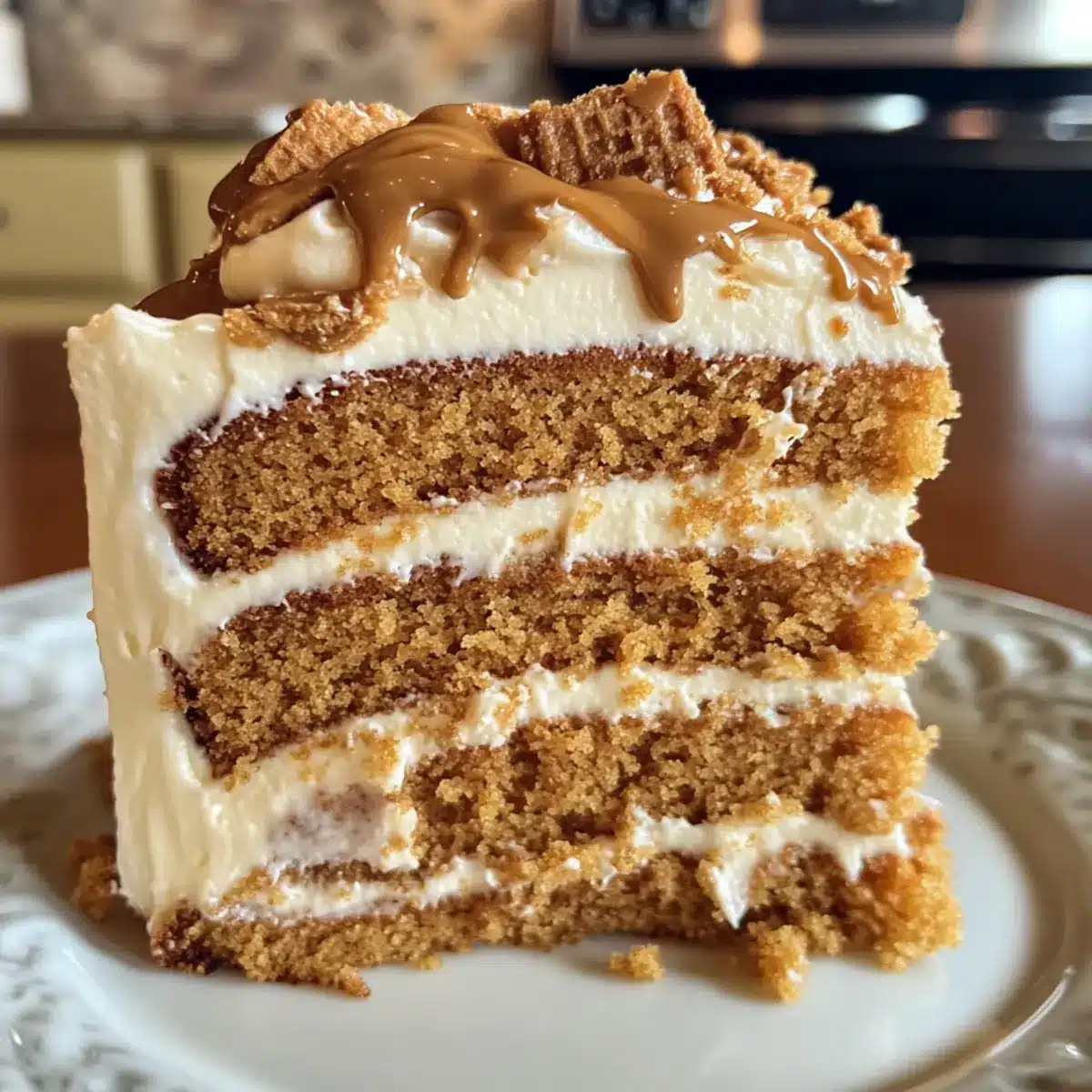
As the oven hums gently and the scent of cinnamon-spiced cookies begins to waft through the air, I can’t help but feel a warm rush of nostalgia. This Biscoff Cake is more than just a dessert; it’s a celebration in every bite, perfect for turning any occasion into something special. With its moist texture and unique flavor profile infused by the beloved Biscoff spread, this easy cake is guaranteed to be a crowd-pleaser. Plus, it’s versatile enough to transform into delightful cupcakes for those sweet tooth moments! Ready to elevate your baking game? Let’s dive into creating this irresistible treat that will surely become a staple in your kitchen.
Why is Biscoff Cake a Must-Try?
Decadent Flavor: Experience the delightful fusion of spiced cookie butter in every bite, making this cake incredibly unique.
Easy to Make: Even novice bakers can excel with straightforward instructions and minimal fuss, similar to crafting Homemade Pancakes Elevates!
Versatile Serving Options: Whether for birthdays, tea parties, or casual get-togethers, this cake adapts beautifully—impress guests with cupcakes made from the same batter!
Aromatic Baking Experience: The mouthwatering scent of Biscoff fills the kitchen, creating an inviting atmosphere that enhances the baking experience.
Perfect for Any Occasion: This cake is not just a dessert; it turns ordinary moments into special celebrations filled with warmth and joy.
Biscoff Cake Ingredients
For the Cake
- All-Purpose Flour – Provides structure and body to the cake; substitute with gluten-free flour for a gluten-free version.
- Granulated Sugar – Adds sweetness and moisture; can be replaced with brown sugar for deeper flavor.
- Unsalted Butter – Ensures richness and creaminess; margarine can be used as a dairy-free alternative.
- Eggs – Binds ingredients together, contributing to leavening and moisture; flax eggs can be used for a vegan option.
- Biscoff Spread – Imparts a unique spiced flavor, essential for that authentic Biscoff taste; no direct substitute, but cookie butter can work.
- Whole Milk – Adds moisture and richness; use a non-dairy milk for dairy-free options.
- Baking Powder – Acts as a leavening agent for a lighter cake; ensure it’s fresh for best results.
- Salt – Balances sweetness and enhances flavor.
- Vanilla Extract – Adds warmth and depth to the flavor profile; can be omitted in a pinch.
For the Topping
- Crushed Biscoff Cookies – Used for topping and adds texture; substitute with crushed graham crackers if unavailable.
- Powdered Sugar (for buttercream) – Sweetens and gives a smooth texture to the frosting.
Step‑by‑Step Instructions for Biscoff Cake
Step 1: Preheat the Oven
Begin by preheating your oven to 350°F (175°C). While the oven heats, prepare two 8-inch round cake pans by greasing them with butter or cooking spray, then line the bottoms with parchment paper for easy removal. Getting this step right ensures a perfectly baked Biscoff Cake.
Step 2: Cream the Butter and Sugar
In a large mixing bowl, combine softened unsalted butter and granulated sugar using an electric mixer on medium speed. Beat them together until the mixture is light and fluffy, which should take about 3-5 minutes. This step is crucial for incorporating air and setting a lovely base for your Biscoff Cake.
Step 3: Incorporate Eggs and Biscoff Spread
Add the eggs one at a time into the creamed butter and sugar, mixing well after each addition. Follow this by gently folding in the vanilla extract and 1/2 cup of Biscoff spread until fully combined. Aim for a smooth mixture, as this will infuse the cake with that delightful cookie butter flavor.
Step 4: Mix the Dry Ingredients
In a separate bowl, sift together all-purpose flour, baking powder, and salt. Gradually add this dry mixture to the wet ingredients, alternating with whole milk. Mix on low speed until just combined; be cautious not to over-mix. Proper incorporation ensures a velvety texture in your Biscoff Cake.
Step 5: Bake the Cake
Evenly divide the batter between the prepared cake pans, smoothing out the tops with a spatula. Place them in the preheated oven and bake for 30-35 minutes. Check for doneness by inserting a toothpick into the center; it should come out clean. Allow the cakes to cool in the pans for 10 minutes before transferring them to a wire rack.
Step 6: Prepare the Buttercream
While the layers cool, make the frosting by beating the remaining Biscoff spread with softened butter in a bowl. Gradually add powdered sugar, mixing until the frosting is smooth and creamy. This delicious buttercream will add a luscious layer to your Biscoff Cake.
Step 7: Assemble the Cake
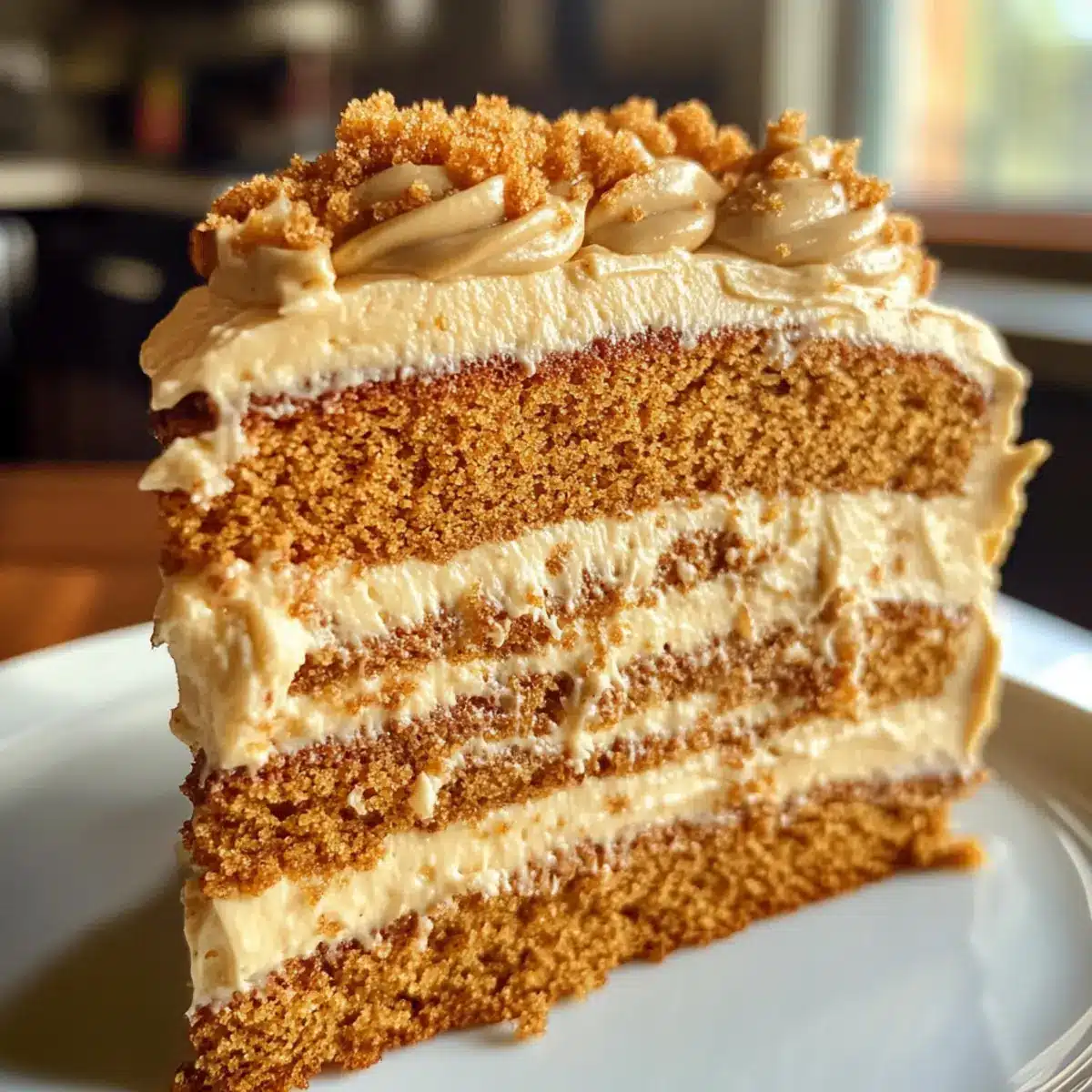
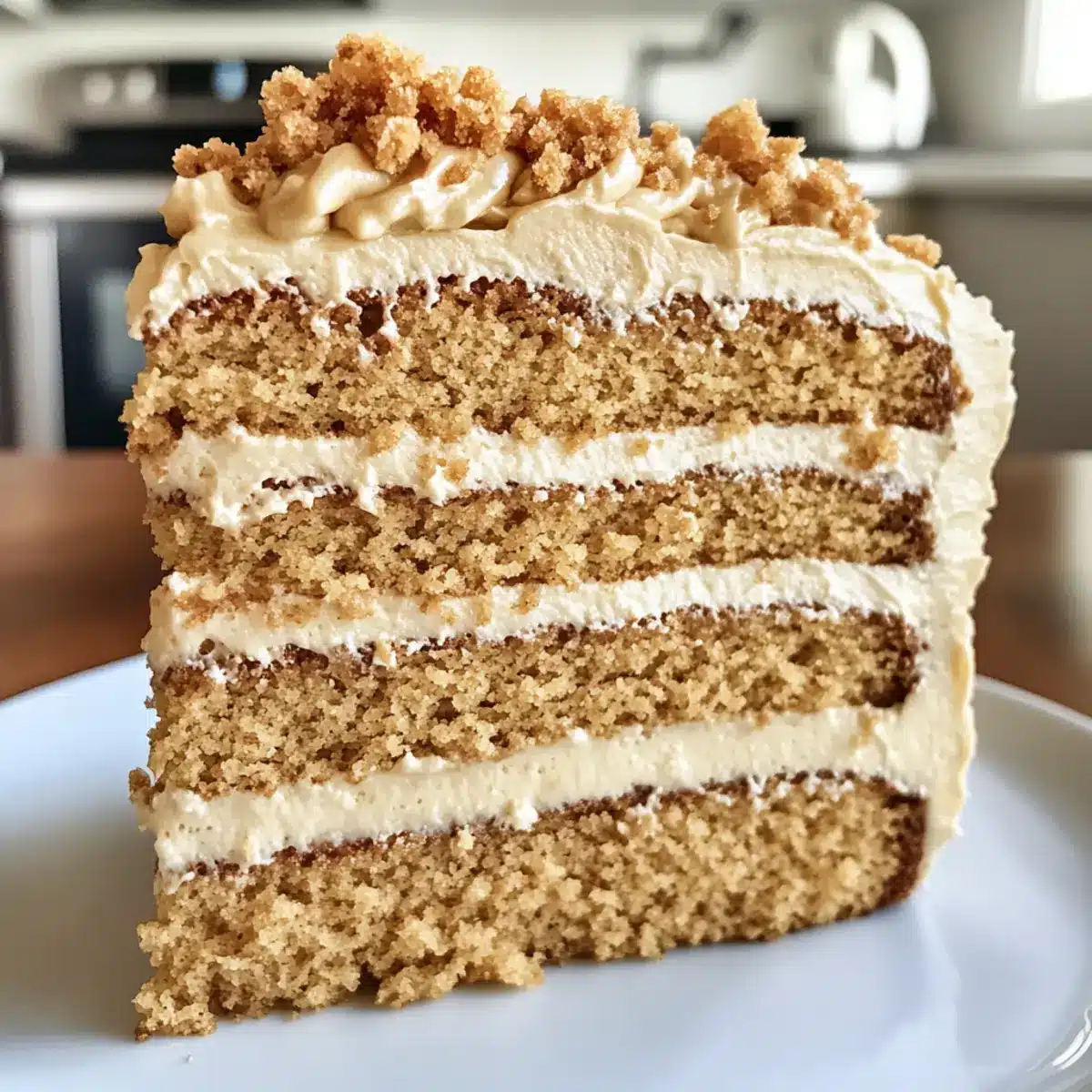
Once the cake layers are completely cooled, place one layer on a serving plate. Spread a generous amount of buttercream on top, then gently place the second layer on top. Finish by spreading buttercream over the entire cake, creating a smooth and inviting layer.
Step 8: Garnish with Cookies
For a final touch, warm up some extra Biscoff spread and drizzle it over the top of your frosted cake. Sprinkle crushed Biscoff cookies generously on top for added texture and a beautiful finish. This will not only enhance the visual appeal but also amplify the delightful taste of your Biscoff Cake.
Storage Tips for Biscoff Cake
Room Temperature: Store the Biscoff Cake covered at room temperature for up to 3 days to maintain its moisture and flavor.
Fridge: If you need to keep it longer, refrigerate the cake covered with plastic wrap or in an airtight container for up to 1 week.
Freezer: For longer storage, the Biscoff Cake can be frozen for up to 2 months. Wrap it tightly in plastic wrap and then aluminum foil to prevent freezer burn.
Reheating: To enjoy your cake warmed, place a slice in the microwave for 10-15 seconds, just enough to soften the frosting and enhance that delightful Biscoff flavor.
What to Serve with Biscoff Cake
Indulging in a slice of this delightful cake is just the beginning; let’s create a complete experience that captivates the senses.
- Freshly Brewed Coffee: The rich, aromatic flavors of a good cup of coffee beautifully complement the sweet, spiced notes of Biscoff, enhancing each bite.
- Whipped Cream: A dollop of light, airy whipped cream adds a creamy contrast to the cake’s dense texture, balancing the flavors perfectly.
- Vanilla Ice Cream: A scoop of vanilla ice cream provides a deliciously cold contrast that enhances the warm spices of the Biscoff flavor. The melting creaminess paired with the moist cake is simply divine.
- Fruit Compote: Drizzle some berry compote on the side for a tangy freshness that cuts through the sweetness and adds vibrant color to your plate. This fruity element elevates the whole dish!
- Sparkling Water with Lemon: Serve with a refreshing glass of sparkling water featuring a slice of lemon for a light, bubbly finish to every delightful bite.
- Chocolate Drizzle: A warm chocolate sauce drizzled over the cake creates an enticing sweet contrast that intensifies the dessert’s allure, making it feel even more indulgent.
- Cheesecake Bites: Serve with small bites of cheesecake on the side for a complementary creamy texture and flavor contrast that your guests will adore.
- Chocolate-Covered Strawberries: The fruity sweetness of chocolate-covered strawberries not only looks beautiful but adds an inviting element to your table.
- Tea Pairing: A cup of earl grey or chai tea, with their warm spices, makes for a comforting duo with Biscoff Cake, enhancing the cozy ambiance of your dessert experience.
- Shortbread Cookies: Adding a side of buttery shortbread cookies creates a delightful texture contrast while subtly echoing the familiar flavors of your cake.
Expert Tips for Biscoff Cake
-
Butter Temperature Matters: Make sure your butter is softened to room temperature for easy creaming; this affects the cake’s texture.
-
Don’t Overmix: Mix just until combined when adding dry ingredients; overmixing can lead to a dense Biscoff Cake instead of a light and fluffy treat.
-
Cooling Time: Allow the cakes to cool completely before frosting to prevent the buttercream from melting; patience pays off here!
-
Flavor Boost: For an extra flavor kick, fold in some cinnamon or nutmeg into your batter; this complements the Biscoff spread perfectly.
-
Cupcake Conversion: Want to make cupcakes? Just bake the same batter in a cupcake tin, reducing the baking time to 18-22 minutes for delightful Biscoff treats.
Make Ahead Options
These Biscoff Cake preparations are a true time-saver for busy home cooks! You can bake the cake layers up to 3 days in advance; simply let them cool completely, wrap them tightly in plastic wrap, and refrigerate to maintain moisture. The buttercream can also be prepared up to 2 days ahead and stored in the refrigerator—just remember to bring it to room temperature and re-whip before frosting the cake. When you’re ready to serve, assemble the cake by layering the buttercream between the cooled layers and topping it off with the delicious Biscoff drizzle and crushed cookies. This way, you’ll enjoy a stunning dessert with minimal fuss, ready to impress your family or guests!
Biscoff Cake Variations & Substitutions
Feel free to let your creativity shine! These delightful twists will make your Biscoff Cake experience even more enjoyable.
- Cupcakes: Transform the batter into cupcakes by baking for 18-22 minutes. Perfect for smaller treats!
- Gluten-Free: Swap all-purpose flour for a gluten-free mix to make this cake accessible to everyone.
- Sugar Swaps: Use brown sugar instead of granulated sugar for a richer flavor and added moisture.
- Dairy-Free: Substitute unsalted butter with coconut oil or dairy-free margarine for a delicious non-dairy option.
- Spice It Up: Add a hint of cinnamon or nutmeg to the batter for an aromatic twist that complements the Biscoff perfectly.
- Frosting Variation: Replace Biscoff spread in the buttercream with cream cheese for a tangy, rich flavor that’s hard to resist.
- Nutty Texture: Add chopped nuts like pecans or walnuts to the batter for added crunch and flavor.
- Mini Layer Cake: Use the batter to create mini layer cakes in smaller pans, perfect for individual servings.
For an extra sweet pairing, serve your Biscoff Cake alongside a warm slice of Rhubarb Streusel Cheesecake for a delightful dessert spread!
Biscoff Cake Recipe FAQs
How do I know if my Biscoff spread is fresh?
Absolutely! To ensure your Biscoff spread is fresh, check the expiration date on the jar. Additionally, look for any unusual separation or dark spots, which might indicate it has gone bad. A smooth consistency is a good sign. If it’s starting to change in color or texture, it’s best to get a new jar for your cake.
What’s the best way to store leftover Biscoff Cake?
Very simple! Store your Biscoff Cake covered at room temperature for up to 3 days. If you anticipate needing more time, move it to the refrigerator where it can last for up to 1 week, ensuring it’s sealed in an airtight container or wrapped well in plastic wrap. This keeps that delightful, moist texture intact!
Can I freeze my Biscoff Cake? How?
Certainly! Freezing is a great option for this cake. To freeze, make sure the cake has completely cooled. Wrap it tightly in plastic wrap to prevent freezer burn, then place it in a freezer-safe bag or container. It can last up to 2 months in the freezer. When you’re ready to enjoy it, simply thaw it in the fridge overnight and allow it to return to room temperature before serving.
What should I do if my cake comes out too dense?
Ah, this can happen! If your Biscoff Cake turns out dense, it’s often due to overmixing the batter or not using the right amount of leavening agent. To prevent this next time, always mix the dry ingredients lightly into the wet mixture only until combined. Also, make sure your baking powder is fresh—this little ingredient plays a huge role in achieving that light, fluffy texture!
Can I use any substitutes for Biscoff spread if I have allergies?
Absolutely, if allergies are a concern! While there isn’t a direct substitute for Biscoff spread, you might try using sunflower seed butter or almond butter based on your specific allergies. Just keep in mind that these alternatives will slightly change the flavor profile, but they’ll still create a delicious cake. You might want to boost it with a dash of cinnamon to compensate for the missing spiced notes.
How should I serve my Biscoff Cake to guests?
What a lovely thought! Serve your Biscoff Cake with a dollop of whipped cream or a scoop of vanilla ice cream for an extra touch. Pair it with a warm cup of tea or coffee, and don’t forget to drizzle some extra melted Biscoff spread over the top to entice your guests even more! It’s all about creating that delightful experience around the table.
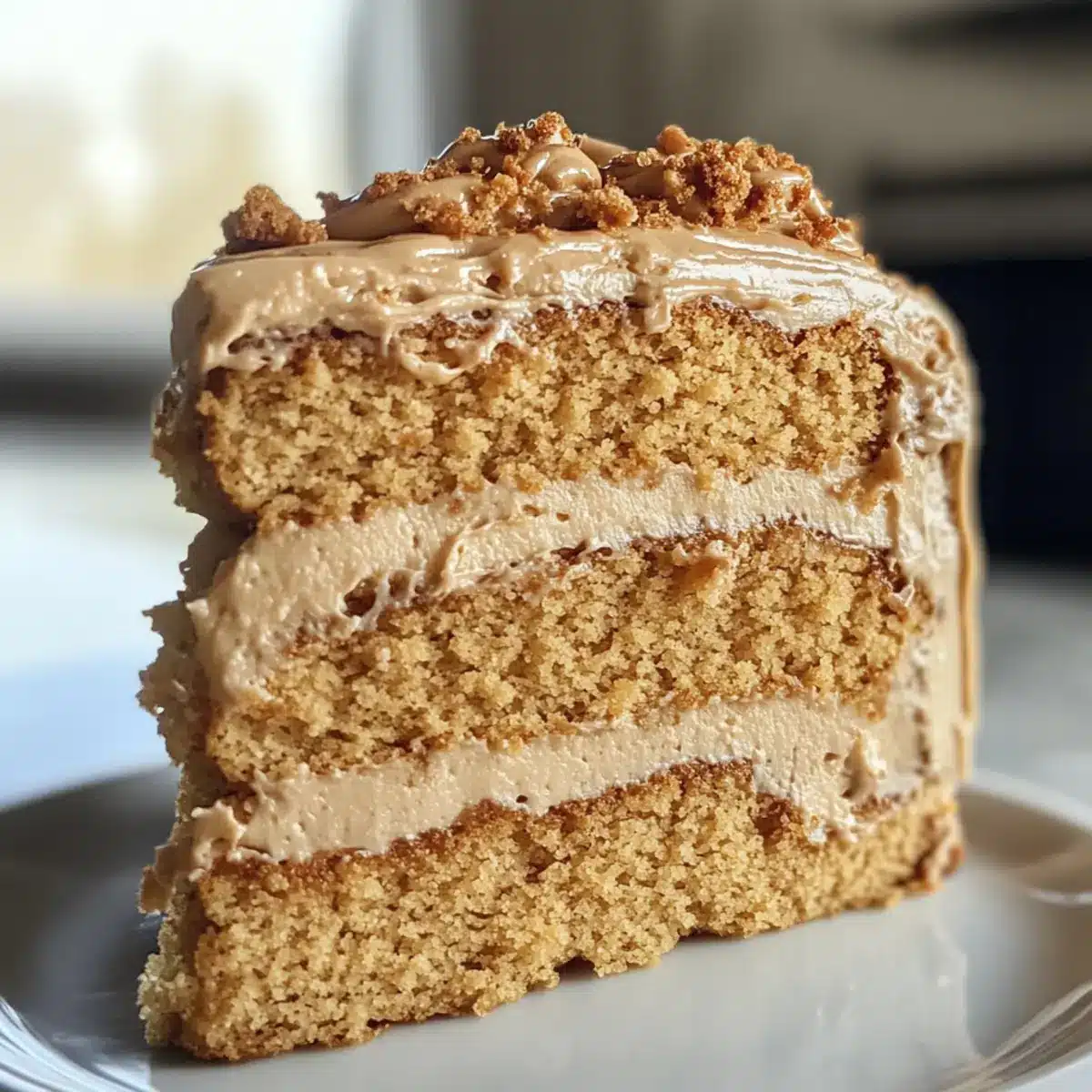
Biscoff Cake: Moist, Irresistible Dessert for Any Occasion
Ingredients
Equipment
Method
- Preheat your oven to 350°F (175°C) and prepare two 8-inch round cake pans by greasing them with butter and lining with parchment paper.
- In a large mixing bowl, cream together softened unsalted butter and granulated sugar using an electric mixer on medium speed until light and fluffy, about 3-5 minutes.
- Add eggs one at a time, mixing well after each addition; gently fold in vanilla extract and 1/2 cup of Biscoff spread until combined.
- In a separate bowl, sift together flour, baking powder, and salt. Gradually add this to the wet ingredients, alternating with whole milk, mixing on low speed until just combined.
- Divide the batter between the prepared pans and bake for 30-35 minutes, checking doneness with a toothpick.
- Cool the cakes in the pans for 10 minutes before transferring them to a wire rack.
- Prepare the frosting by beating the remaining Biscoff spread with softened butter; gradually add powdered sugar until smooth.
- Once cooled, place one layer on a serving plate, spread buttercream on top, and add the second layer. Frost the entire cake.
- Drizzle warmed Biscoff spread over the top and sprinkle crushed Biscoff cookies for garnish.