

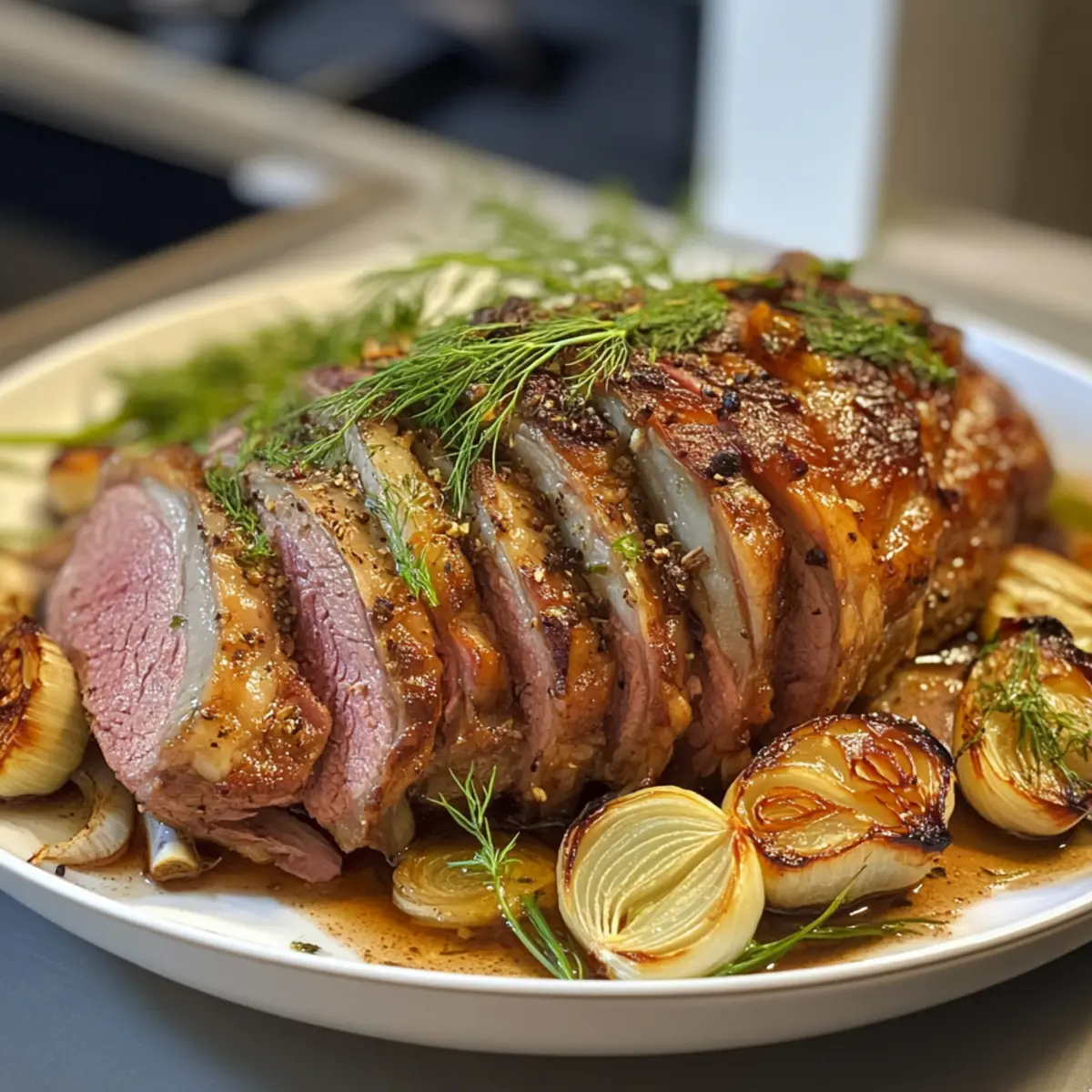
As the aroma of garlic and fennel dances through the kitchen, I’m transported back to our family gatherings, where the highlight was always a succulent slow-roasted leg of lamb. This traditional Greek dish, often gracing our tables during Easter, is deceptively simple to prepare, yet it never fails to impress guests. Infused with tender spring onions and perfectly seasoned, this meal not only brings everyone together but also elevates any occasion into a feast. Plus, with its slow-roasting method, you’re offered a hands-off cooking experience while the flavors meld beautifully. Curious to learn how to recreate this heartwarming centerpiece for your loved ones? Let’s dive into the details of crafting the perfect Slow Roasted Leg of Lamb!
Why is this recipe a must-try?
Tradition comes alive with every bite—this Slow Roasted Leg of Lamb (Greek) embodies the flavors of Greek Easter, making it a beloved addition to your festive gatherings. Simple preparation allows even novice cooks to shine, while the slow-roasting method guarantees juicy, tender meat that’s practically foolproof. Flavor explosion awaits! The aromatic blend of garlic and fennel creates a gourmet experience without the fuss. Plus, it pairs perfectly with classic sides like tzatziki or Greek lemon potatoes, ensuring your meal is a crowd-pleaser. If you’re looking for more hearty options, check out Bbq Chicken Roasted for other festive ideas!
Slow Roasted Leg of Lamb Ingredients
For the Lamb
• Leg of Lamb – Choose bone-in for an added layer of juiciness or boneless for ease of carving.
• Garlic (5 cloves) – Insert whole for a milder, sweeter taste that enhances the slow-roasting process.
• Spring Onions (3) – Use tips in the meat and larger pieces in the roasting pan for a fresh, mild sweetness.
• Onion (1, thick slices) – Adds a sweet depth during roasting for a balanced flavor profile.
• Fennel Fronds (1½ tsp minced + 2-3 whole) – Offers a unique anise flavor; substitute with dill or mint if necessary.
For the Cooking Process
• Olive Oil (4 tbsp) – Essential for adding moisture and richness to the meat.
• White Wine (60 ml/¼ cup) – Elevates the flavor and aroma, creating a delightful base in the roasting pan.
• Dried Oregano (1 tsp) – Infuses the dish with herbal depth, perfectly complementing the succulent lamb.
• Sea Salt and Ground Pepper – Key seasonings that enhance the flavors, allowing each bite to shine.
This Slow Roasted Leg of Lamb is not just a meal; it’s an experience, evoking the essence of Greek tradition right in your home!
Step‑by‑Step Instructions for Slow Roasted Leg Of Lamb (Greek)
Step 1: Prepare the Lamb
Start by patting the leg of lamb dry with paper towels to ensure a crisp exterior. Using a sharp knife, make deep incisions in the thick parts of the meat, filling each with sea salt, pepper, minced spring onion tips, minced fennel, and whole garlic cloves. This will enhance the flavor throughout the Slow Roasted Leg Of Lamb (Greek) as it cooks.
Step 2: Set Up Roasting Pan
In a large roasting pan, lay chopped spring onions, thick slices of onion, and whole fennel fronds as a flavorful base. These ingredients will infuse the lamb with aromatic notes while roasting. Make sure to spread them out evenly, creating a comfortable nest for your leg of lamb that allows for even cooking.
Step 3: Seasoning
Place the prepared leg of lamb on top of the vegetable bed in the roasting pan. Drizzle it generously with olive oil, ensuring to coat the meat well. Season the top with additional salt, pepper, and dried oregano for an extra burst of flavor. Pour the white wine into the pan to create a savory environment for the meat to cook in.
Step 4: Marinate
Allow the seasoned lamb to rest at room temperature for an hour, or cover and refrigerate it for a few hours or overnight if time permits. This marinating process lets the flavors penetrate deeper, resulting in a more succulent Slow Roasted Leg Of Lamb (Greek) that’s sure to impress your family and friends.
Step 5: Preheat Oven
Preheat your oven to 230°C (445°F). This high temperature will initially sear the exterior of the lamb, locking in juices and creating a beautifully browned crust. Lay the groundwork for a delicious roast by preparing your kitchen with all necessary tools, ensuring efficiency as you move to the next steps.
Step 6: Roast
Once preheated, place the roasting pan in the oven and cook for 15 minutes. This high-temperature start will give the lamb a lovely golden crust. After 15 minutes, reduce the oven temperature to 140°C (285°F) for a slow roast. Continue cooking for 2½ to 3 hours, or until the meat is tender and easily pulls away from the bone.
Step 7: Rest
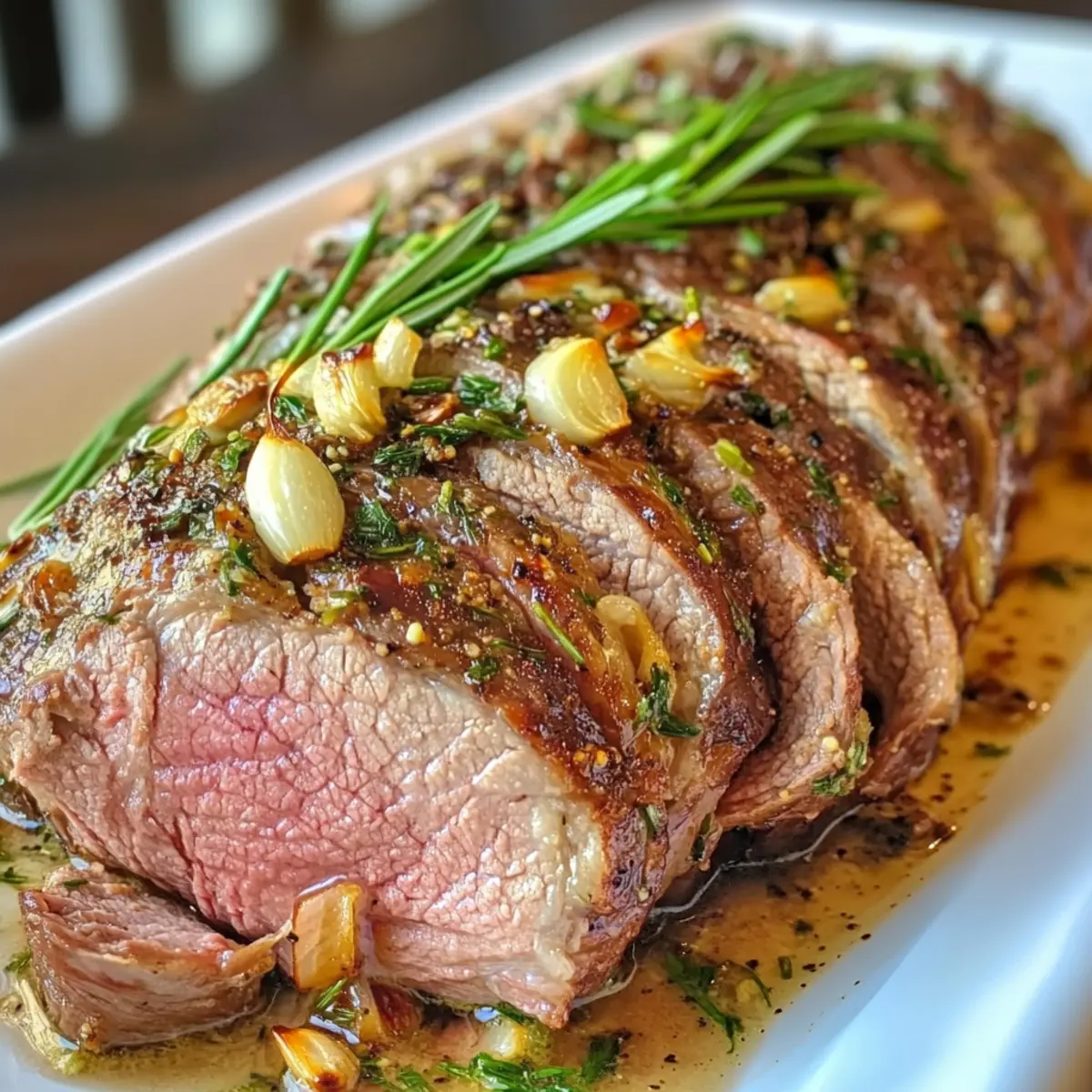
Once the lamb is perfectly roasted, remove it from the oven and let it rest for 30 minutes before slicing. This resting period is essential for allowing the juices to redistribute throughout the meat, resulting in a succulent and juicy Slow Roasted Leg Of Lamb (Greek) that will elevate your dining experience.
What to Serve with Slow Roasted Leg of Lamb
As you savor the mouthwatering flavors of slow-roasted lamb, consider adding complementary dishes that enhance your festive dining experience.
-
Greek Lemon Potatoes: These crispy potatoes with a bright lemony flavor add a zesty contrast to the succulent lamb. They soak up the delicious juices, making every bite a delight.
-
Tzatziki Sauce: This creamy, tangy yogurt dip with cucumber and garlic offers a refreshing balance to the rich flavors of the lamb. Serve it chilled for a perfect bite.
-
Maroulosalata (Lettuce Salad): A refreshing side salad of crisp lettuce and herbs spritzed with lemon provides a light crunch that complements the meal beautifully, cutting through the richness.
-
Roasted Vegetables: A medley of seasonal vegetables, such as carrots and bell peppers, roasts to caramelized perfection. Their natural sweetness pairs wonderfully with the savory lamb.
-
Feta Cheese: Crumbled feta sprinkled over your plate adds a salty, creamy component that enhances the overall flavor of your meal while providing a nod to Greek traditions.
-
Red Wine: A glass of bold red wine, such as a Greek Agiorgitiko or Cabernet Sauvignon, intensifies the meal experience, complementing the flavors of the dish and enhancing the overall atmosphere.
Consider these combinations as you gather around the table, turning your slow-roasted leg of lamb into a memorable feast.
How to Store and Freeze Slow Roasted Leg of Lamb
Fridge: Store leftovers in an airtight container for up to 3 days, ensuring they’re cooled to room temperature before sealing to maintain freshness.
Freezer: Wrap the Slow Roasted Leg of Lamb tightly in foil or freezer bags. This can be frozen for up to 3 months for best flavor and texture.
Reheating: When ready to enjoy, let the lamb thaw in the refrigerator overnight, then reheat gently in the oven at 150°C (300°F) for about 20-30 minutes to prevent drying out.
Serving Suggestions: Pair the reheated lamb with your favorite sides to recreate that festive Greek meal experience!
Expert Tips for Slow Roasted Leg of Lamb
-
Deep Incisions: Ensure your incisions are deep enough to accommodate the garlic cloves snugly, allowing for a harmonious flavor infusion throughout the lamb.
-
Monitor Cooking Time: If using a convection oven, keep an eye on the time as it can cook faster. Adjust accordingly to maintain that succulent texture.
-
Resting is Key: Allow the lamb to rest for at least 30 minutes before slicing. This step is crucial for retaining juices, ensuring a moist and flavorful Slow Roasted Leg of Lamb.
-
Foil for Gentle Roasting: If your oven runs hot, wrap the lamb with foil during the last part of the roasting process to prevent over-browning while keeping the inside tender.
-
Experiment with Herbs: Feel free to substitute fennel with fresh dill or even a handful of mint leaves for a different twist on the classic flavors.
Make Ahead Options
These Slow Roasted Leg of Lamb (Greek) preparations are ideal for busy home cooks wanting to save time! You can prepare the seasoned lamb up to 24 hours in advance by making the deep incisions and filling them with salt, pepper, minced spring onion tips, minced fennel, and whole garlic cloves. After seasoning, refrigerate the lamb, ensuring it remains well-covered to maintain its moisture and flavor. Additionally, the vegetable base in your roasting pan can be prepped ahead and stored in the fridge for up to 3 days. When you’re ready to cook, simply let the lamb come to room temperature for about an hour, drizzle with olive oil, and pop it in the oven for a delightful meal that boasts restaurant-quality results with minimal effort!
Slow Roasted Leg of Lamb Variations
Feel free to make this recipe your own by exploring these delightful twists and substitutions!
-
Herb-Infused:
Swap dried oregano with fresh herbs like rosemary or thyme for a vibrant flavor profile. -
Citrus Burst:
Add lemon zest to the marinade for a refreshing, zesty kick that brightens up the lamb’s richness. -
Mediterranean Vibes:
Incorporate kalamata olives and capers in the roasting pan for a briny contrast and a true Mediterranean touch. -
Sweet Twist:
Drizzle a bit of honey over the lamb before roasting to enhance flavors with a touch of sweetness. -
Spicy Kick:
For those who love heat, sprinkle some crushed red pepper flakes over the lamb during seasoning for an exciting flavor boost. -
Vegetable Medley:
Add carrots and potatoes to the roasting pan to create a delicious side that cooks alongside the lamb, soaking up its savory juices. -
Wine Swap:
Use a fruity red wine instead of white for a deeper, richer flavor that complements the lamb beautifully. -
Greek Yogurt Marinade:
Mix a bit of Greek yogurt with your seasonings and marinate the lamb—this maintains moisture and introduces a delicious tang.
Discovering the wonders of cooking is a joyful journey. If you’re excited about more savory recipes, take a look at these Bbq Chicken Roasted delights for more culinary inspiration!
Slow Roasted Leg of Lamb (Greek) Recipe FAQs
What type of leg of lamb should I choose?
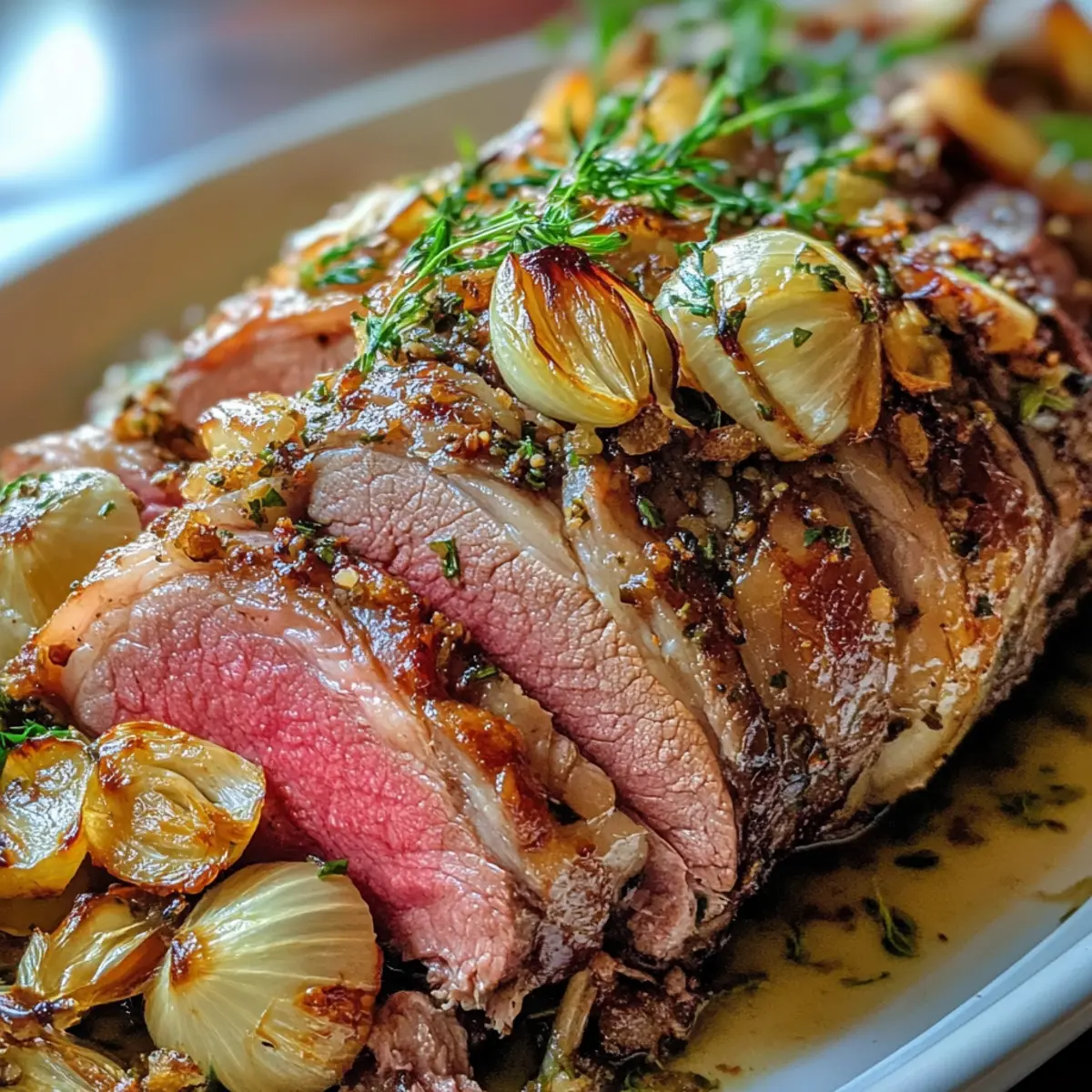
Absolutely! For the most succulent results, I recommend choosing a bone-in leg of lamb. The bone adds moisture and flavor during the cooking process. If ease of carving is more your concern, a boneless leg works well too, giving you perfectly sliced pieces without the fuss.
How should I store leftover slow roasted leg of lamb?
Simply store your leftovers in an airtight container in the refrigerator for up to 3 days. Ensure the lamb is cooled to room temperature before sealing, as this helps maintain freshness. For those extra busy days, I often prepare my sides in advance, making serving a breeze!
Can I freeze slow roasted leg of lamb?
Certainly! To freeze, first, wrap the leg of lamb tightly in aluminum foil or place it in freezer bags, ensuring as much excess air is removed as possible. It will stay good in the freezer for up to 3 months. When you’re ready to enjoy, let it thaw overnight in the fridge and reheat gently.
What should I do if my lamb is not tender after roasting?
Very! If your lamb isn’t as tender as you’d like, it may need more time in the oven. Ensure you’re cooking it at the right low temperature after the initial sear, and consider covering it with foil to prevent over-browning. Slow-roasting it allows the tough fibers to break down, so patience is key here!
Are there any dietary considerations for this recipe?
Yes! If you’re cooking for guests with dietary restrictions, be aware that lamb can be rich in fat, so it’s a good idea to serve it with plenty of fresh vegetables or a light salad to balance the meal. Plus, if anyone has allergies, double-check the ingredients like wine and garlic to ensure everyone can enjoy this succulent slow roasted leg of lamb recipe!
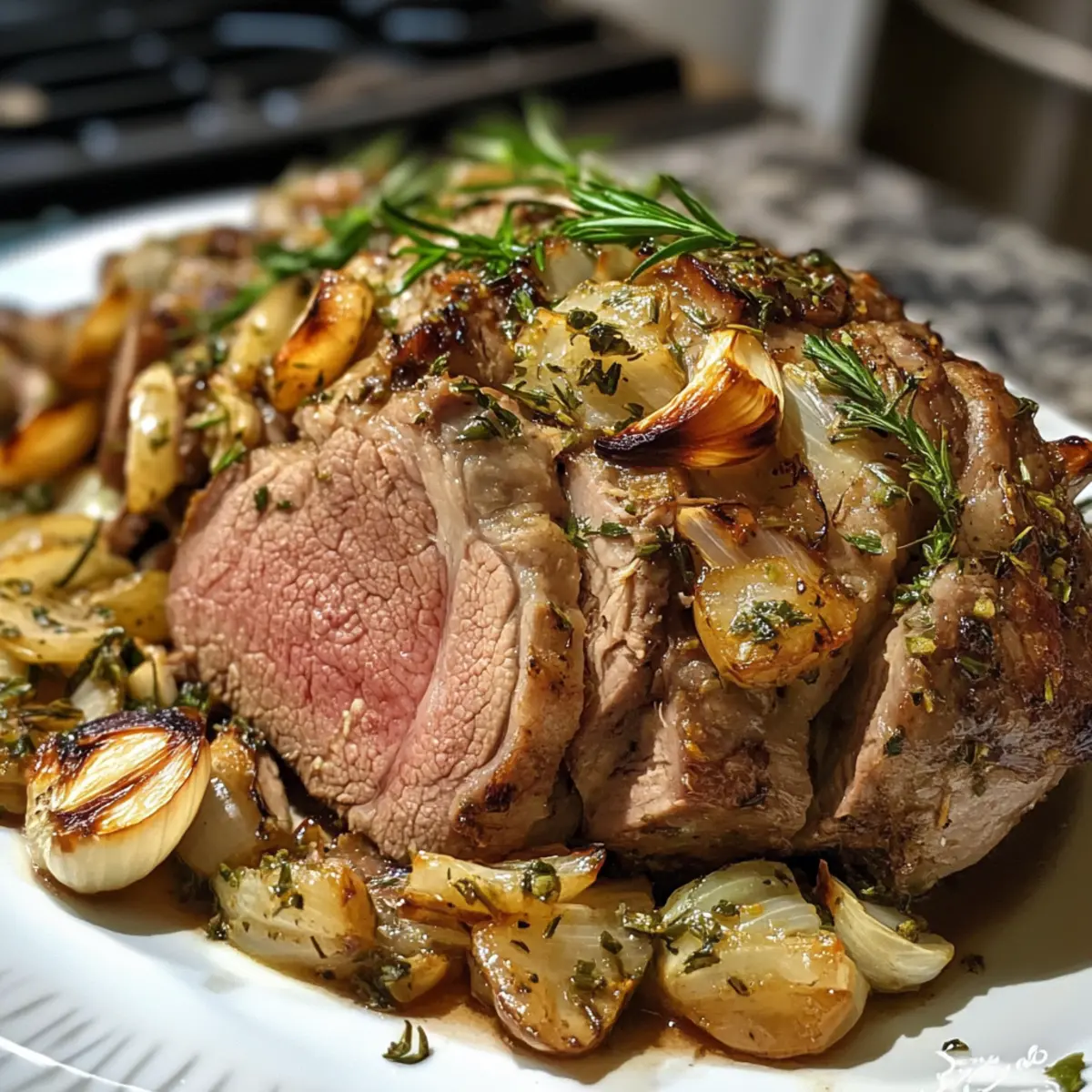
Slow Roasted Leg of Lamb Greek Style for a Festive Feast
Ingredients
Equipment
Method
- Prepare the Lamb by patting it dry and making deep incisions in the thick parts for flavor infusion.
- Set up the roasting pan with chopped spring onions, thick slices of onion, and whole fennel fronds as a base.
- Season the lamb with olive oil, salt, pepper, and oregano, then pour white wine into the pan.
- Marinate the lamb at room temperature for 1 hour or refrigerate for a few hours or overnight.
- Preheat your oven to 230°C (445°F).
- Roast the lamb for 15 minutes at high temperature, then reduce to 140°C (285°F) and cook for 2½ to 3 hours.
- Let the lamb rest for 30 minutes before slicing.