

As I stood at my kitchen counter, the sweet aroma of lemon and fresh thyme mingled in the air, sparking a craving for something comforting yet elegant. Enter the Buttermilk-Poached Salmon—your new go-to dish for an effortless dinner that feels like a special occasion. This easy-to-follow recipe transforms a simple salmon fillet into a tender, moist delight cocooned in a creamy, tangy sauce. It’s not just a feast for your taste buds but also a low-carb, gluten-free meal that aligns perfectly with a healthier lifestyle. Plus, the forgiving nature of poaching in buttermilk makes it ideal for anyone who wants to conquer their fears of cooking fish! So, are you ready to impress your loved ones with this foolproof method and elevate your home dining experience?
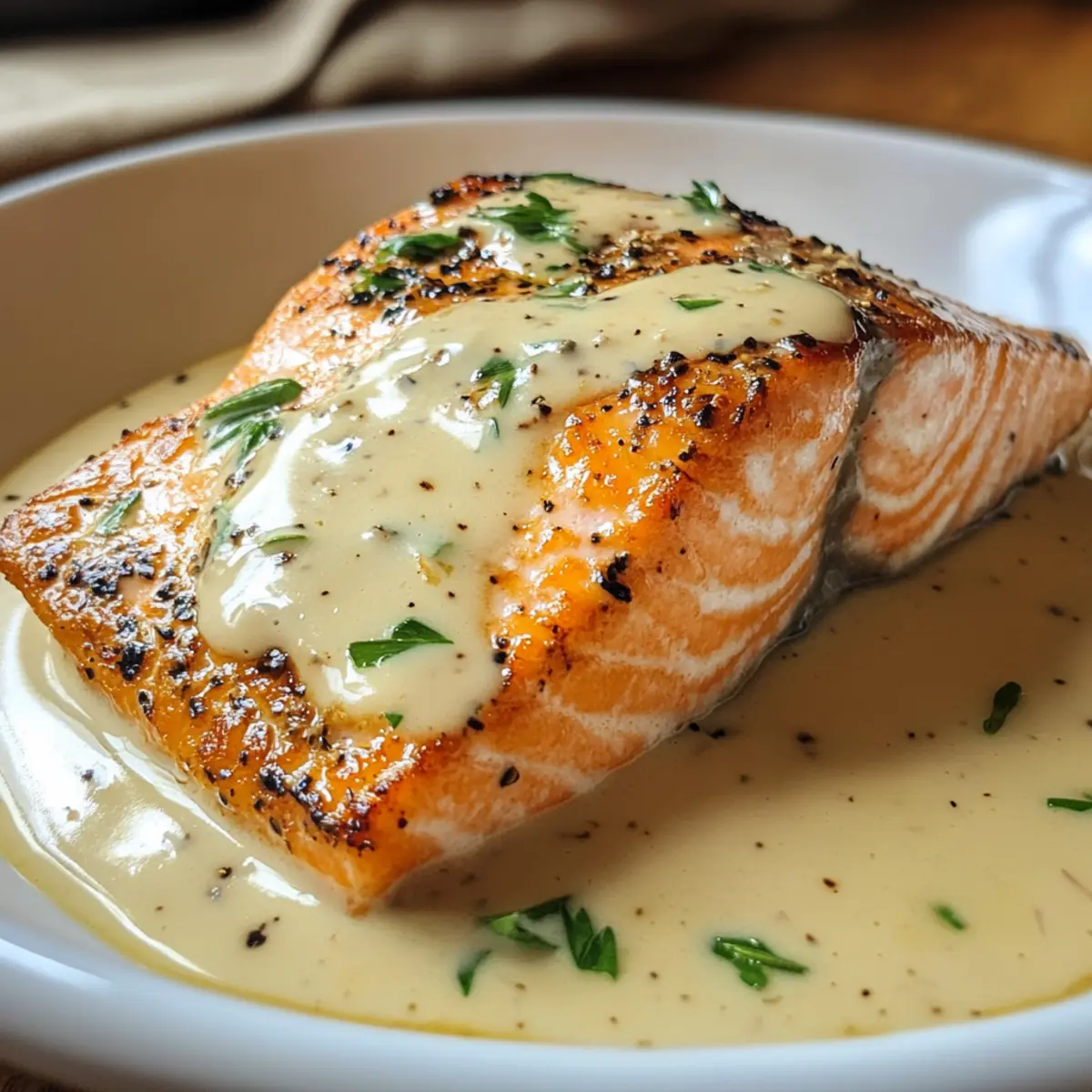
Why is Buttermilk-Poached Salmon a Must-Try?
Foolproof Cooking: Achieve restaurant-quality fish at home with this simple method that practically guarantees moist and tender salmon.
Rich Flavor Profile: The buttermilk combined with herbs and aromatics creates a luxurious, creamy sauce that elevates each bite.
Quick Preparation: In just 20 minutes, you can prepare a delicious, low-carb, and gluten-free meal that impresses any crowd.
Versatile Dish: Pair with steamed veggies or serve over quinoa for a wholesome dinner, or switch up the herbs for a personalized touch!
Perfect for All Skill Levels: Whether you’re a seasoned chef or a beginner, this recipe eases any apprehensions about cooking fish. If you’re looking for more easy recipes, check out our Canned Salmon Pasta for quick weeknight inspiration!
Buttermilk-Poached Salmon Ingredients
For the Salmon
- Salmon Fillet – Choose skinless fillets for a tender bite without the hassle of removing skin.
For the Poaching Liquid
- Buttermilk – This creamy base not only poaches the fish but also adds a slight tang. Opt for full-fat for the best results.
- Vegetable Broth – Use low-sodium broth to enrich the flavor while keeping the dish healthy.
- Shallot – Infuse the poaching liquid with a mild, sweet flavor; if unavailable, onion can be a suitable substitute.
- Garlic – Elevates the dish’s flavor; garlic powder works in a pinch if fresh is not handy.
- Lemon – Provides a bright acidity; ensure you slice it and remove the seeds for a cleaner taste.
- Fresh Thyme – This aromatic herb enhances the overall flavor; feel free to use dried thyme if fresh is out of reach.
- Bay Leaves – Optional but recommended for a subtle depth in the poaching liquid.
- Dijon Mustard – Adds richness to the poaching liquid; you might swap it for whole grain mustard for a different texture.
For the Finish
- Kosher Salt – Essential for seasoning the salmon and enhancing all the flavors.
Step‑by‑Step Instructions for Buttermilk-Poached Salmon
Step 1: Prepare Ingredients
Begin by prepping your ingredients for the Buttermilk-Poached Salmon. Peel and halve the shallot, then lightly smash the garlic cloves to release their flavor. Next, slice the lemon, ensuring to remove any seeds, and gather fresh thyme and bay leaves, preparing them for the poaching process.
Step 2: Season Salmon
Sprinkle kosher salt generously over both sides of the salmon fillet, allowing it to absorb the flavor. This step not only enhances the taste but also helps firm up the fish’s texture during poaching. Set the seasoned salmon aside while you prepare the poaching liquid.
Step 3: Combine in Skillet
In a large skillet, arrange the salmon fillet at the center. Pour in the buttermilk and vegetable broth until the fish is well-covered. Add the prepared shallot, smashed garlic, fresh thyme, bay leaves, and lemon slices to the skillet. This aromatic medley sets the stage for your flavorful poaching liquid.
Step 4: Heat
Place the skillet over medium heat and bring the mixture to a gentle simmer. Once it reaches a simmer, reduce the heat to low, maintaining a gentle simmer for about 11-12 minutes. As it cooks, the salmon will turn opaque and flake easily, signaling it’s ready to be removed from the heat.
Step 5: Rest
Once the salmon has finished cooking, remove the skillet from the heat and cover it with a lid. Let the salmon rest in the residual heat for about 5 minutes. This resting period helps the flavors meld and ensures the fish remains tender and moist.
Step 6: Serve
Carefully transfer the salmon fillet to a plate once rested. Strain the poaching liquid into a saucepan and add Dijon mustard. Heat it over medium flame, gently whisking until the mixture has reduced by half and becomes creamy and milky. Drizzle this luxurious sauce over the salmon before serving for a delightful finish.
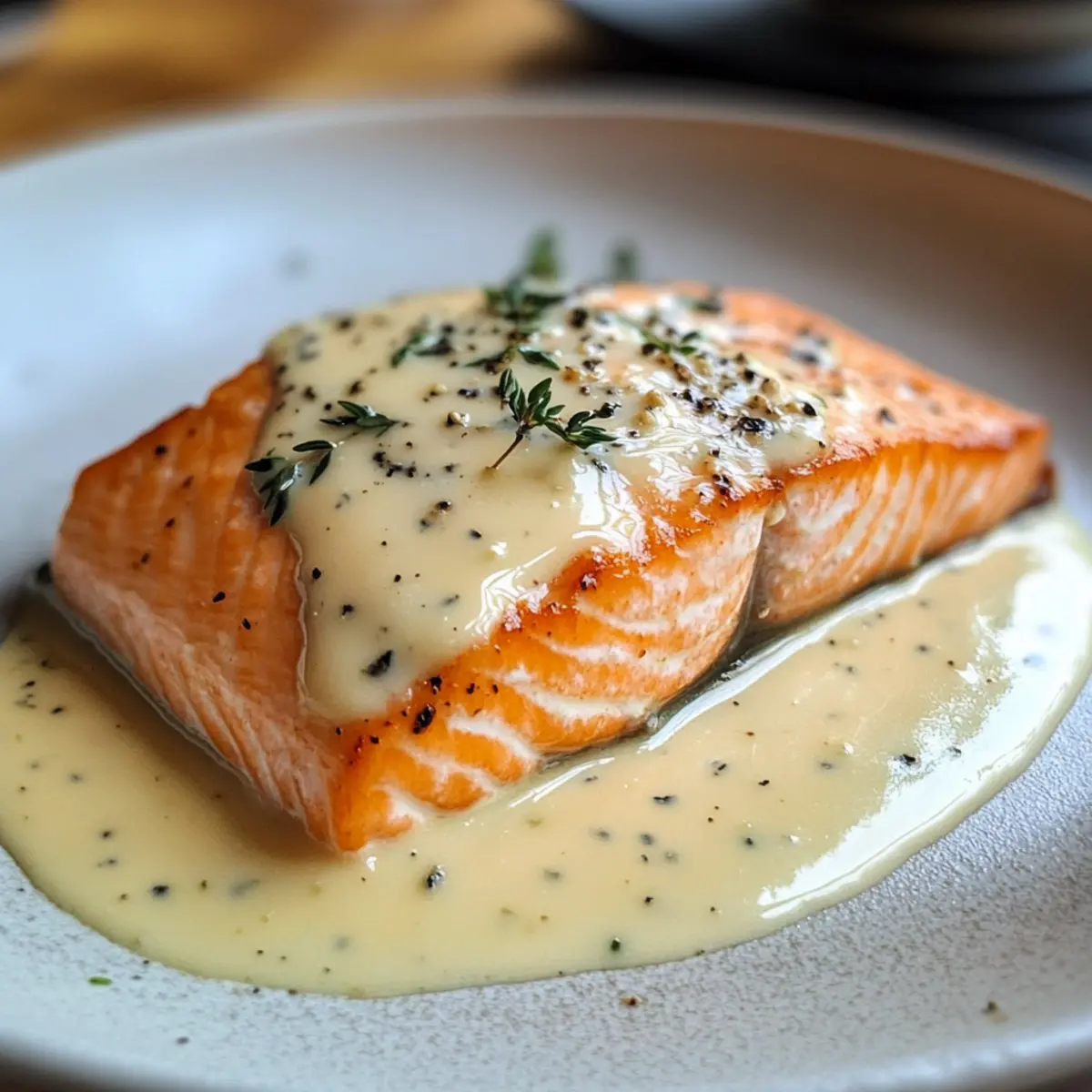
How to Store and Freeze Buttermilk-Poached Salmon
Fridge: Store leftover Buttermilk-Poached Salmon in an airtight container for up to 2 days. Keep the poaching liquid separate to preserve freshness and prevent sogginess.
Freezer: If you want to extend the shelf life, freeze the salmon individually wrapped in plastic wrap and aluminum foil for up to 3 months. Thaw in the refrigerator before reheating.
Reheating: Gently reheat the salmon in a preheated oven at 350°F (175°C) for about 10 minutes, or until warmed through. Avoid microwaving to maintain its tender texture.
Accompaniments: Serve the reheated salmon with fresh herbs, a squeeze of lemon, or the reserved poaching liquid for enhanced flavor upon serving.
Buttermilk-Poached Salmon Variations
Feel free to get creative and make this Buttermilk-Poached Salmon your own with these delightful twists!
-
Different Fish: Swap the salmon with fresh trout or cod fillets for a fun variation in taste and texture.
-
Herb Change-Up: Use dill or parsley instead of thyme for a fresh herbal note that pairs beautifully with fish.
-
Spicy Kick: Add a pinch of red pepper flakes to the poaching liquid for a gentle heat that warms each bite.
-
Citrus Zest: Incorporate lime or orange zest into the poaching liquid; this brightens the dish with a lovely citrusy fragrance.
-
Creamy Addition: Blend in a dollop of sour cream into the poaching liquid for added richness and tang.
-
For an Asian Twist: Substitute the vegetable broth with miso broth and add a splash of soy sauce, giving the dish a savory depth.
-
Smoky Flavor: Include a little smoked paprika in the poaching liquid for a unique, smokey edge to your salmon.
-
Serve with Style: Try pairing this dish with a side of our delicious Canned Salmon Pasta, which complements the flavors beautifully!
What to Serve with Buttermilk-Poached Salmon?
Create a memorable meal that elevates the delicate flavors of your salmon and delights your senses.
- Creamy Mashed Potatoes: The rich, buttery texture complements the silky salmon beautifully, making each bite a comforting experience.
- Garlic Green Beans: With a crisp-tender bite and the aromatic punch of sautéed garlic, these beans add a refreshing crunch to your plate.
- Lemon Quinoa Salad: This light and zesty salad harmonizes with the salmon’s tanginess while providing an earthy, nutty contrast.
- Roasted Asparagus: The savory, slightly charred flavor of roasted asparagus pairs wonderfully with the moistness of the fish, creating a delightful balance.
- Herbed Couscous: Fluffy couscous tossed with herbs brings a delicate graininess to the dish, soaking up any leftover sauce for extra flavor.
- Cucumber and Tomato Salad: A refreshing mix adds a cool, crisp texture, perfectly enhancing the overall flavor profile of the salmon.
- Chardonnay or Sauvignon Blanc: A chilled glass of white wine accentuates the lightness of the salmon while complementing its creamy sauce—pure bliss!
Make Ahead Options
These Buttermilk-Poached Salmon fillets are perfect for meal prep, allowing you to save time during your busy week! You can poach the salmon up to two days in advance, storing it in the refrigerator in an airtight container. To maintain the fish’s delicate texture, keep the poaching liquid separate until you’re ready to eat. When you’re ready to serve, simply reheat the salmon gently in the microwave or on the stovetop with a splash of the buttermilk broth for added moisture. This way, you’ll enjoy tender, flavorful salmon that tastes just as delicious as when it was first cooked, making your mealtime feel effortless yet special!
Expert Tips for Buttermilk-Poached Salmon
- Check the Temperature: Use a thermometer to ensure the salmon reaches 145°F for perfect doneness without overcooking.
- Curdling is Fine: If you notice a slight curdling of buttermilk, don’t worry! This is normal and will be strained out later.
- Season Generously: Seasoning your salmon well with kosher salt enhances the natural flavors, ensuring a tasty result throughout the dish.
- Storage Reminder: Store leftovers in an airtight container for up to two days; keep the sauce separate to maintain freshness.
- Experiment with Flavors: Try adding different herbs or citrus, like dill or orange, for a new twist on your Buttermilk-Poached Salmon.
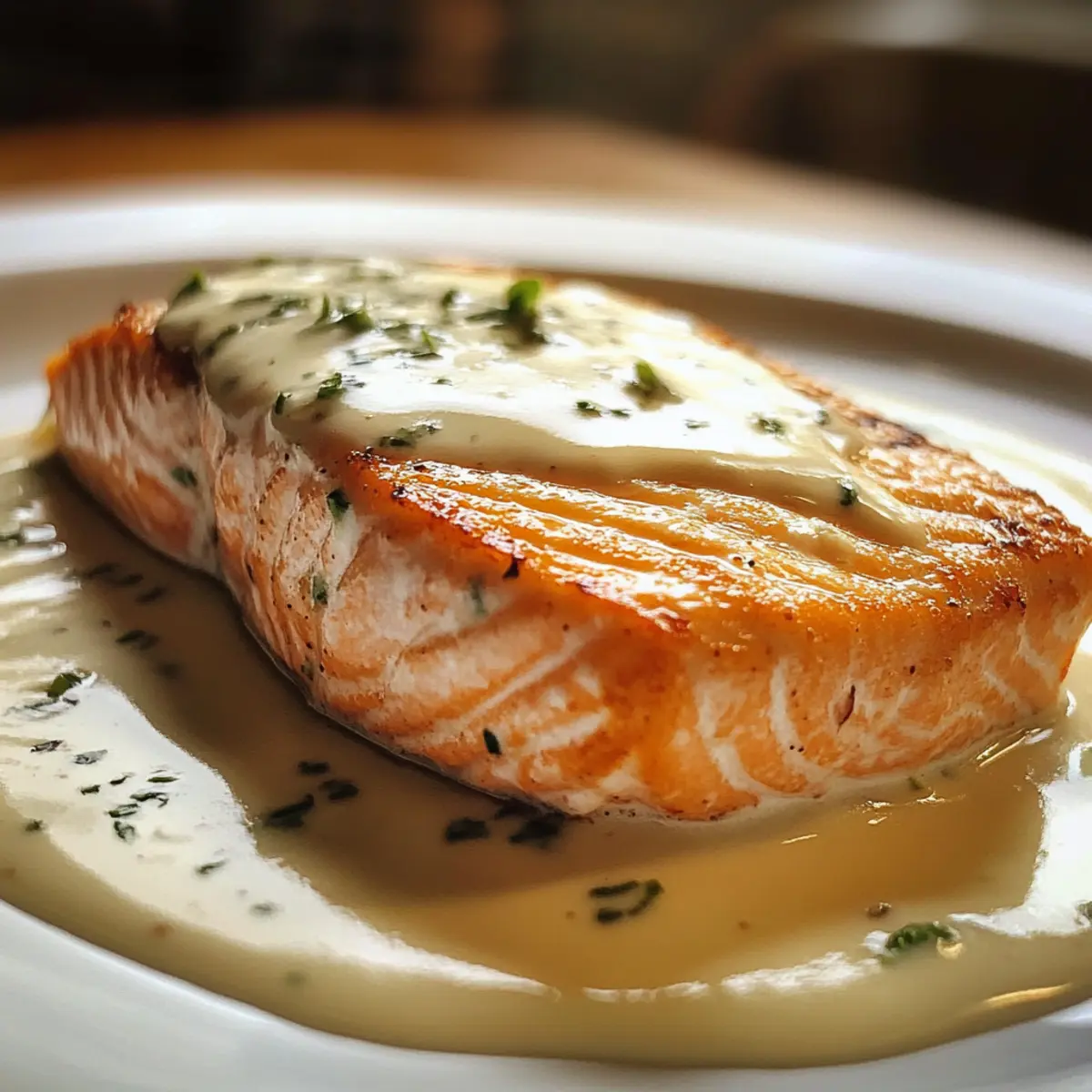
Buttermilk-Poached Salmon Recipe FAQs
What should I look for when selecting salmon?
When choosing salmon fillets, look for bright, vibrant colors and a fresh, slightly sweet aroma without any fishy smell. The flesh should appear moist, and if it’s skinless, there should be no dark spots all over. Always opt for wild-caught if available, as it tends to have a better flavor and texture!
How should I store leftovers from Buttermilk-Poached Salmon?
Leftover Buttermilk-Poached Salmon can be stored in an airtight container in the refrigerator for up to 2 days. To keep it fresh, keep the poaching liquid separate from the salmon until you’re ready to enjoy it again. This helps prevent the fish from getting soggy!
Can I freeze Buttermilk-Poached Salmon?
Absolutely! To freeze, wrap the individual salmon portions in plastic wrap, then in aluminum foil, or place them in a freezer-safe bag for up to 3 months. When ready to enjoy, thaw the salmon in the refrigerator overnight before gently reheating it.
What should I do if my buttermilk curdles while poaching?
A little curdling is perfectly normal when poaching in buttermilk; don’t panic! Just strain the poaching liquid through a fine sieve after cooking to remove any curds. The resulting sauce will still be creamy and delicious, enhancing the dish beautifully.
Is this recipe suitable for people with allergies?
This Buttermilk-Poached Salmon recipe contains dairy (buttermilk) and mustard. If you’re allergic to dairy, consider substituting buttermilk with a non-dairy milk mixed with a splash of lemon juice or vinegar for acidity. Always check ingredient labels for allergies, particularly with broths or mustard.
Can I use different herbs or fish for this recipe?
Very! Feel free to swap the salmon with other fish like trout or cod, which poach beautifully as well. As for herbs, dill or parsley offers a lovely twist instead of thyme. Experimenting with different flavors can make the dish your own!
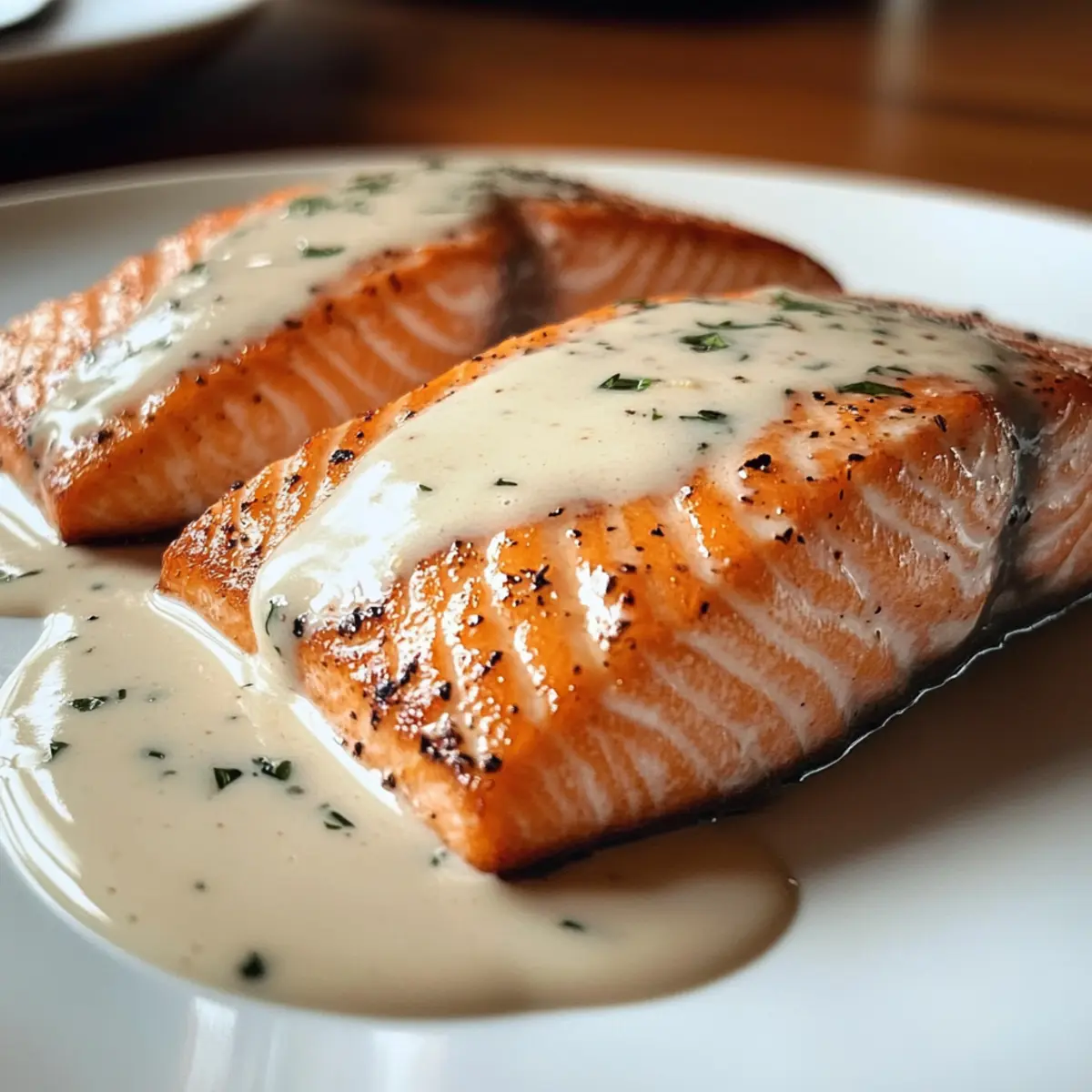
Buttermilk-Poached Salmon: Tender, Flavorful, and Easy to Make
Ingredients
Equipment
Method
- Prepare your ingredients by peeling and halving the shallot, smashing the garlic, and slicing the lemon while removing seeds.
- Sprinkle kosher salt over both sides of the salmon fillet, and set it aside.
- In a skillet, place the salmon fillet at the center and cover with buttermilk and vegetable broth. Add shallot, garlic, thyme, bay leaves, and lemon.
- Heat the skillet over medium heat until the mixture simmers; reduce to low and simmer for 11-12 minutes.
- After cooking, let the salmon rest covered for about 5 minutes.
- Transfer the salmon to a plate, strain the poaching liquid, add Dijon mustard, and whisk over medium heat until creamy. Drizzle over salmon before serving.