

As I stood in my kitchen, the warm aroma of spices wafted through the air, instantly grounding me to the present moment. This is the magic of Kitchari, a dish that goes far beyond mere ingredients; it’s a nurturing blend of Basmati rice and yellow split mung beans, lovingly simmered with turmeric and cumin. In just 40 minutes, I can whip up a healthy comfort food that not only supports cleansing diets but also brings my family together for cozy meals. The best part? This Ayurvedic treasure is vegetarian and gluten-free, making it a go-to for anyone seeking wholesome nourishment. Ready to dive into a recipe that promises simplicity and satisfaction? Let’s explore the delightful world of Kitchari together!

Why is Kitchari a Crowd Favorite?
Ease of Preparation: Kitchari is incredibly simple to make, requiring just 40 minutes from start to finish, making it perfect for any busy lifestyle.
Nutrient-Rich: Packed with protein from mung beans and healthy carbs from rice, this dish is deeply nourishing and ideal for your cleansing needs.
Flavorful Aromas: The blend of turmeric and cumin creates an inviting aroma that fills your kitchen, instantly elevating your cooking experience.
Versatile Ingredients: Feel free to adapt it! Swap in seasonal veggies or experiment with different spices for a unique twist, making it suitable for everyone.
Cozy Comfort: With its warm, porridge-like texture, Kitchari provides that comforting feel of home, perfect for a family dinner or a healthy meal prep option.
Experience the magic of Kitchari; it’s not just a meal but a connection to nurturing yourself. If you’re searching for creative ways to enhance your cooking, don’t miss our guide on how to elevate everyday meals!
Kitchari Ingredients
Discover the essential components for crafting this nourishing dish.
For the Base
- Basmati Rice – Provides a fluffy texture; jasmine or quinoa are great substitutes.
- Split Mung Beans (Moong Dal) – Packed with protein for a creamy consistency; use split form for best results.
- Water – The main cooking liquid; can be swapped with vegetable broth for added depth.
For the Flavor
- Ghee or Oil – Adds rich flavor; choose avocado or coconut oil for a vegan option.
- Cumin Seeds – Gives earthy notes and aroma; opt for ground cumin if seeds are unavailable.
- Fresh Ginger – Infuses warmth and spice; dried ginger powder can be a suitable substitute.
- Ground Turmeric – Imparts health benefits and a vibrant color; no alternative needed.
- Sea Salt & Black Pepper – Essential seasoning; adjust to taste for a balanced flavor.
For Garnish
- Fresh Cilantro – Adds a refreshing aroma; optional but enhances the overall experience.
- Lime or Lemon Slices – Serve alongside for a zesty contrast to the dish.
By using this combination of ingredients, you’re set to create a comforting Kitchari that radiates warmth and nourishment!
Step-by-Step Instructions for Kitchari
Step 1: Soak Grains
In a medium bowl, combine equal parts Basmati rice and split mung beans. Cover them with water and allow them to soak for 15-20 minutes, which softens the grains and enhances their digestibility. After soaking, rinse the mixture under cold water until the water runs clear to remove any excess starch.
Step 2: Prepare Spices
In a medium pot, heat 2 tablespoons of ghee or oil over medium-low heat. Add 1 teaspoon of cumin seeds and sauté for about 1 minute until they become fragrant and slightly darker, releasing their essential oils. Next, stir in 1 tablespoon of fresh ginger along with 1 teaspoon of ground turmeric, cooking for an additional minute to infuse the oil.
Step 3: Combine Ingredients
Once the spices are aromatic, carefully add the soaked and drained rice and mung bean mixture to the pot. Pour in 4 cups of water or vegetable broth, sprinkling in 1 teaspoon of sea salt and freshly cracked black pepper to taste. Stir everything together to ensure the spices and grains are well combined.
Step 4: Cook Down
Bring the mixture to a gentle boil over medium-high heat, then reduce the heat to low and cover the pot. Allow the kitchari to simmer uncovered for about 30 minutes, stirring occasionally, until it reaches a creamy, porridge-like consistency. The grains should be soft and melded together, indicating it’s done.
Step 5: Adjust Flavors
After 30 minutes, taste the kitchari and adjust seasoning as necessary, adding more salt or pepper if desired. If the mixture is too thick for your preference, stir in a little extra water, achieving the perfect balance of creaminess and flavor.
Step 6: Garnish & Serve
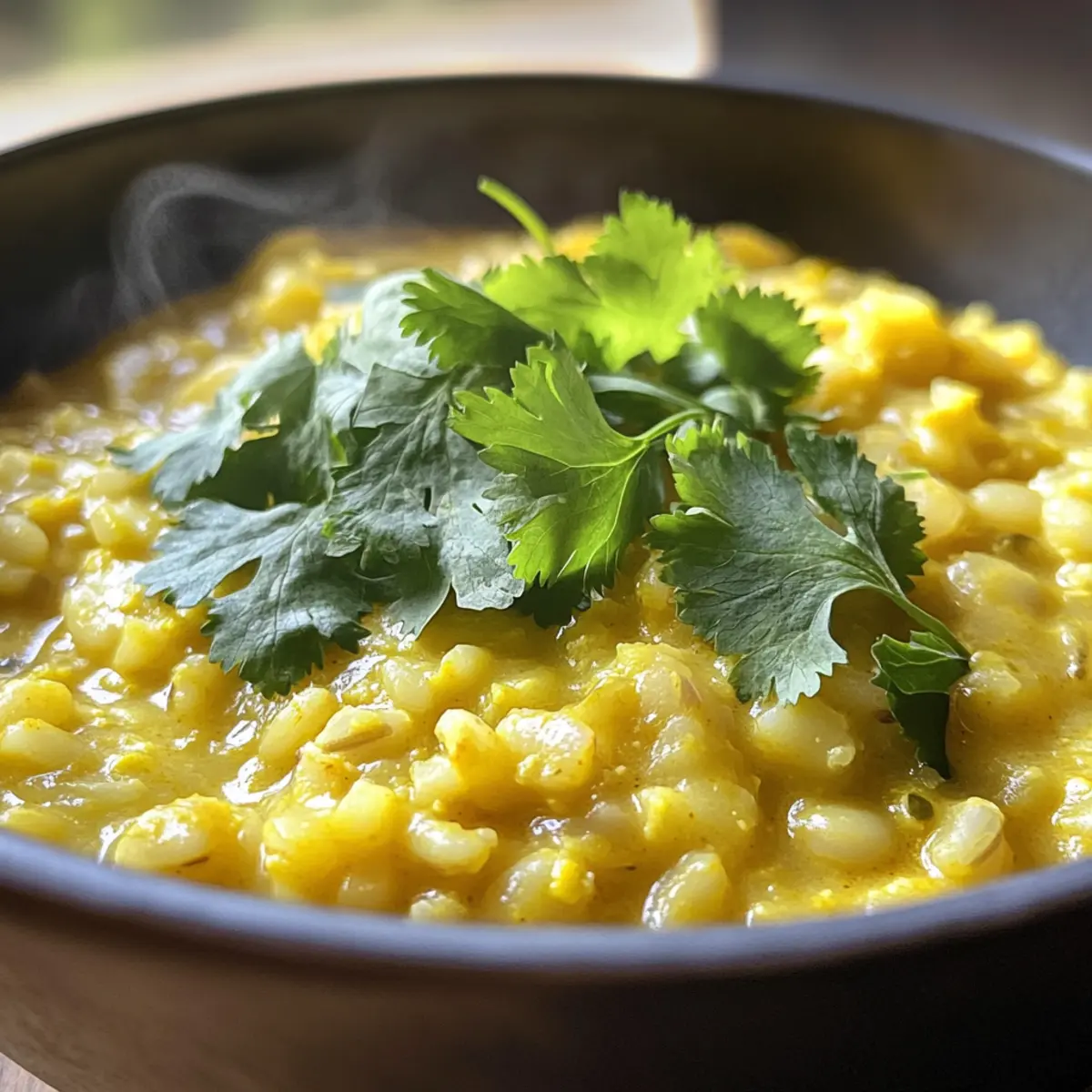
Serve the warm kitchari immediately, garnished with a sprinkle of fresh cilantro for an added touch of flavor. For a refreshing twist, accompany each bowl with lime or lemon slices on the side. This nourishing dish is perfect as a stand-alone meal or paired with complementary sides.
Storage Tips for Kitchari
Fridge: Store cooled kitchari in an airtight container for up to 3 days. Reheat on the stovetop with a splash of water to restore its creamy texture.
Freezer: Kitchari can be frozen for up to 2 months. Divide into portions and place in freezer-safe containers, ensuring they are tightly sealed.
Thawing: To enjoy, thaw in the refrigerator overnight before reheating. A quick stovetop reheating with water will bring it back to life!
Reheating: For best results, reheat kitchari gently on the stovetop, stirring in a bit of water or broth to return its luscious consistency.
Kitchari Variations & Substitutions
Feel free to play around with this nourishing dish; it’s all about finding the flavors and textures that sing to you!
- Vegetable Boost: Add seasonal vegetables like carrots, spinach, or zucchini towards the end of cooking to amp up nutrition. Each bite will be a nourishing delight!
- Spice It Up: Experiment with spices like fenugreek or mustard seeds for an exciting flavor twist. These little enhancements can transform your kitchari experience!
- Herb Infusions: Try adding fragrant herbs like thyme or basil for a fresh twist. They’ll create a wonderful aroma that enhances the comfort factor.
- Swap the Grains: If you’re craving something different, use quinoa or farro instead of rice. This can bring a unique texture while maintaining that delightful creaminess.
- Coconut Cream Delight: Stir in a spoonful of coconut cream before serving for an extra layer of richness and a hint of tropical flavor. It’s pure indulgence!
- Spicy Kick: For some heat, toss in a chopped green chili or a pinch of cayenne pepper, adjusting according to your spice tolerance. Feel the warmth blanket your taste buds!
- Flavorful Broth: Instead of water, use a savory vegetable broth to deepen the umami profile of your kitchari. It’s a subtle change that results in a huge flavor payoff!
If you’re interested in enhancing your meals even further, don’t miss our guide on how to elevate everyday dishes with these simple twists!
Expert Tips for Perfect Kitchari
- Toasting Spices: Toast cumin seeds until fragrant to unleash their full flavor potential, ensuring your kitchari bursts with warmth.
- Rinsing Beans: Always rinse the soaked mung beans and rice until the water runs clear, which prevents your kitchari from becoming too starchy.
- Adjust Consistency: For creamier kitchari, retain more water during cooking; feel free to ladle in extra liquid if it thickens too much.
- Uncovered Cooking: Leave the pot uncovered while simmering to promote moisture reduction, resulting in the ideal porridge-like texture.
- Seasoning Taste Test: Taste and adjust seasonings toward the end of cooking; kitchari should be well-seasoned to elevate its comforting flavors.
What to Serve with Nourishing Ayurvedic Kitchari
Kitchari is a harmonious dish that pairs beautifully with a variety of sides, elevating your meal experience to new heights.
- Steamed Vegetables: Enhance your meal with fresh seasonal veggies, adding color and nutrients that complement the creamy texture of kitchari.
- Cool Yogurt: A dollop of yogurt provides a tangy kick and a cooling effect, balancing the warmth of spices in the kitchari.
- Spicy Chutney: Bright and zesty chutneys, like mango or mint, bring a punch of flavor, making each bite of kitchari even more exciting.
- Crispy Papadums: These crunchy lentil wafers are a fun contrast to the soft kitchari, adding texture and a savory crunch to your plate.
- Fresh Salad: A simple cucumber and tomato salad can bring a refreshing crunch, with its lightness balancing the hearty nature of kitchari.
- Lemon or Lime Wedges: A squeeze of citrus adds brightness, enhancing the flavors and providing a crisp contrast to the nourishing dish.
- Herbal Tea: Pair your meal with a calming herbal tea to complement the dish’s Ayurvedic qualities, promoting digestion and relaxation.
- Dark Chocolate: End your meal on a sweet note with a piece of dark chocolate, offering a delightful contrast to kitchari’s savory notes.
Make Ahead Options
These nourishing Kitchari bowls are perfect for meal prep enthusiasts! You can soak the rice and mung beans up to 24 hours in advance, making it easy to spend less time in the kitchen on busy days. Just cover them with water, let them soak, and rinse them thoroughly. Additionally, you can sauté the spices and store them in an airtight container in the refrigerator for up to 3 days without losing flavor. When you’re ready to serve, combine the soaked grains with the sautéed spices and the cooking liquid, simmering until creamy. This method ensures your Kitchari remains just as delicious while saving precious time for your busy weeknights!

Kitchari Recipe FAQs
What type of rice should I use for kitchari?
Absolutely! Basmati rice is ideal for kitchari as it creates a fluffy texture. However, if you can’t find Basmati, jasmine rice, brown rice, or even quinoa can be great substitutes for a twist on the classic.
How do I store leftover kitchari?
For sure! Once your kitchari has cooled completely, transfer it to an airtight container. It can be stored in the refrigerator for up to 3 days. When reheating, add a splash of water to bring back its creamy texture.
Can I freeze kitchari?
Yes! Kitchari freezes beautifully. Just divide it into portions and store in freezer-safe containers or bags, where it can last for up to 2 months. Thaw overnight in the refrigerator, and when ready to enjoy, gently reheat on the stovetop with a little water to restore consistency.
What can I do if my kitchari turns out too thick?
Oh, don’t worry! If your kitchari is too thick after cooking, simply stir in a little extra water or broth until you reach your desired creaminess. Always taste and adjust the seasoning afterward, as the extra liquid may dilute the flavors slightly.
Are there any dietary considerations for kitchari?
Certainly! Kitchari is vegetarian and gluten-free, making it suitable for a variety of diets. However, if you’re preparing it for those with allergies, be mindful of the use of ghee, which can be swapped for vegan options like avocado or coconut oil. Always check ingredient labels for possible allergens.
How should I choose ripe ingredients for my kitchari?
Great question! For fresh ingredients like ginger and cilantro, look for vibrant colors and firm textures. Ginger should be plump and free from dry spots, while cilantro should have bright green leaves without wilting. Fresh ingredients elevate the flavors of your kitchari!

Healing Kitchari for Comfort and Clean Eating Bliss
Ingredients
Equipment
Method
- In a medium bowl, combine equal parts Basmati rice and split mung beans. Cover them with water and allow them to soak for 15-20 minutes, then rinse until the water runs clear.
- In a medium pot, heat 2 tablespoons of ghee or oil over medium-low heat. Add 1 teaspoon of cumin seeds and sauté for about 1 minute until fragrant.
- Stir in 1 tablespoon of fresh ginger and 1 teaspoon of ground turmeric, cooking for an additional minute.
- Add the soaked and drained rice and mung bean mixture to the pot, pour in 4 cups of water or vegetable broth, and season with 1 teaspoon of sea salt and black pepper to taste. Stir well.
- Bring to a gentle boil over medium-high heat, then reduce to low and cover. Simmer for about 30 minutes, stirring occasionally, until creamy and soft.
- Taste and adjust seasonings, adding salt, pepper, or extra water as desired for consistency.
- Serve warm, garnished with fresh cilantro and lime or lemon slices on the side.